







Search Results for: Chaka Lot
Analysis of the Chaka Lot from Ethiopia's Gesha Village Estate: The Origins and Characteristics of a High-Value Gesha Blend
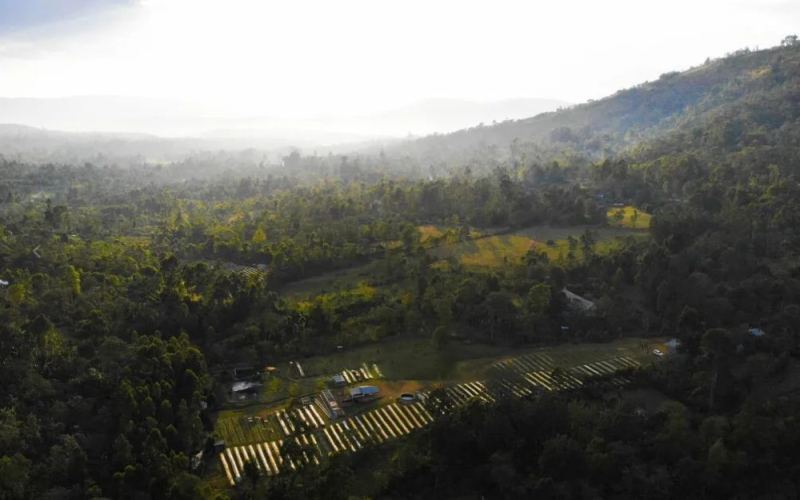
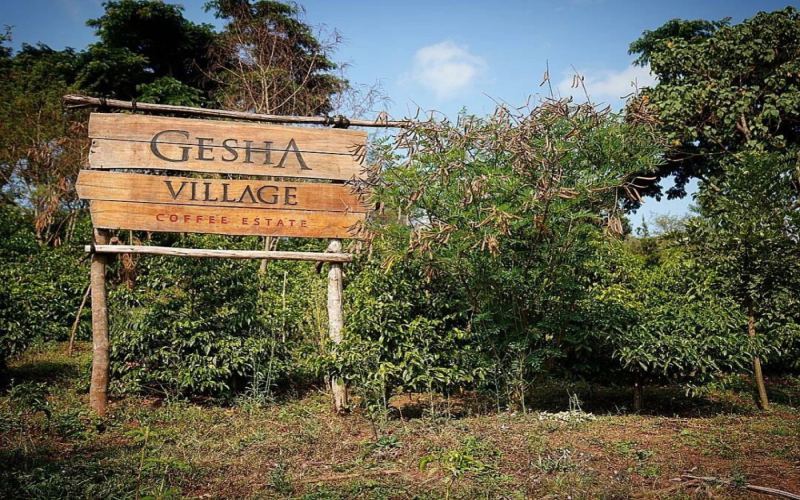
Ethiopia is the birthplace of coffee, and coffee is also an important source of foreign exchange for the country. More than 4 million farmers nationwide grow coffee using forest coffee and garden coffee models, with only about 10% being estates. Among the many estates, the Gesha Village Coffee Estate in the Bench Maji region is the most well-known. It covers 500 hectares and has its own processing plant and laboratory, mainly cultivating and exporting the Geisha variety. Drawing on the grading system of famous Panamanian estates, the estate divides its coffee into five lots:競標 (Auction), Gold, Red, Green, and Chaka. Among them, the Chaka lot is known for its high cost-effectiveness and stable, large-volume supply. It is a Geisha blend launched by Gesha Village, mixing three varieties: Geisha 1931, Gori Gesha, and Illubabor 1974, accounting for 70% of the annual production. Front Street Coffee will also guide you through the unique charm of this lot. [more…]
What are the differences between the various batches of coffee from Gesha Village in Ethiopia? A full breakdown of the Auction Lot, Gold, Red, Green, and Chaka
Ethiopia's Gesha Village Coffee Estate produces coffee with a style distinctly different from Panama Geisha, and has established a five-tier system: Auction, Gold, Red, Green, and Chaka. Front Street Coffee has long tracked and cupped these lots, and this article will go through the characteristics of each lot, from grading standards and flavor expression to natural processing and three-stage pour-over parameters. This year, the Gold Label shows a Panama-style profile of citrus, jasmine, honey, and tea notes; the Red Label is balanced with prominent nutty notes; the Green Label is full-bodied with berry acidity and vinous notes; and Chaka has a lower entry threshold with soft citrus and grapefruit acidity. It is suitable reading for coffee enthusiasts who want a systematic understanding of the Gesha Village product line. [more…]

Comparing Product Lines from Gesha Village Estate: A Full Analysis of Flavor Differences Between Auction Lot, Gold Label, Red Label, Green Label, and Chaka
Located in Bench Maji, Ethiopia, Gesha Village Coffee Estate was established by Adam Overton after venturing deep into ancient forests to search for seeds between 2007 and 2011. The estate is internally divided into multiple product lines: Auction, Gold, Red, Green, and Chaka, each with clear differences in variety selection, production proportion, screening standards, and flavor presentation. Front Street Coffee will guide you through the three varieties grown at Gesha Village Coffee Estate—Gesha 1931, Gori Gesha, and Illubabor Forest 1974—and break down in detail the definitions and cup profiles of each product line, helping you find the Ethiopian Gesha that best suits your taste. [more…]
The Origin of Ethiopia's Gesha Village Estate and Its Internal Grading System: An Analysis of the Auction, Gold, Red, Green Labels, and Chaka Lots
After Geisha coffee became popular in the specialty market, Panama's Hacienda La Esmeralda and Ethiopia's Gesha Village Coffee Estate are often confused by enthusiasts. From the perspective of Front Street Coffee, this article sorts out the founding background, estate scale, and plot management methods of Gesha Village Coffee Estate, focusing on explaining the grading logic and respective positioning of the auction, Gold Label, Red Label, Green Label, and Chaka batches, and also includes the origin information, roasting approach, cupping, and pour-over parameters of Front Street's currently available Gesha Village Red Label, Green Label, and Chaka, helping readers understand the Gesha Village system all at once. [more…]
What Variety Is Geisha Coffee? A Detailed Explanation of the Two Major Grading Systems of Hacienda La Esmeralda and Gesha Village, and Front Street Coffee's Various Lots
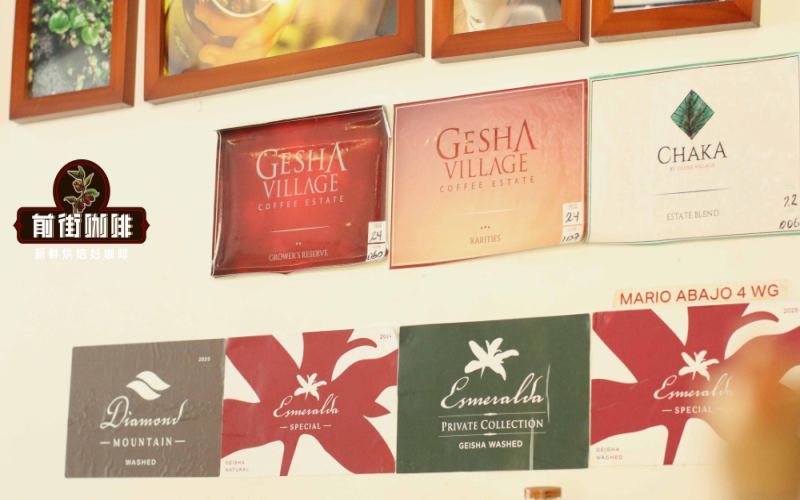
Geisha coffee, a star variety in the specialty coffee world, has always drawn attention for its grading system. Currently, Hacienda La Esmeralda and Gesha Village Coffee Estate in Ethiopia have each established independent grading standards. Hacienda La Esmeralda divides its product lines into Red Label and Green Label; Gesha Village Coffee Estate is further subdivided into five lots: Auction, Gold Label, Red Label, Green Label, and Chaka. This article will systematically sort out the entire grading system of Gesha Village Coffee Estate, analyze one by one the flavor characteristics, production proportion, and brewing parameters of each lot, and present in full the corresponding Geisha product information from Front Street Coffee, helping coffee enthusiasts gain a comprehensive understanding of the quality-tier logic of this variety. [more…]
A Comprehensive Analysis of Gesha Village Estate Traceability and Label Grades: Differences Between Auction, Gold, Red, Green Labels, and Chaka Lots
Geisha coffee's popularity in the specialty circle endures, but many enthusiasts easily confuse the products of Panama's Hacienda La Esmeralda with those of Ethiopia's Gesha Village. Starting from historical origins, this article traces how Gesha Village was conceived by documentary director Adam Overton and his wife Rachel Samuel in 2007 during a filming trip, and how, under Willem Boot's guidance, they found native varieties in the Gori Gesha forest of Bench Maji. The article explains in detail the estate's five-tier grading standards—Auction, Gold, Red, Green, and Chaka—along with the microclimates and variety differences of each block, and includes Front Street Coffee's comparison of the roasting and brewing flavors of three beans: Red, Green, and Chaka, helping readers understand the Gesha Village system at a glance. [more…]

Exploring Ethiopia's Gesha Village Estate: A Complete Analysis of Wild Geisha Gold Label, Red Label, Chaka Flavors and Grading
In the world of coffee, Geisha is undoubtedly a shining name. Most people first think of the Geisha from Panama's Hacienda La Esmeralda, which after being identified for its unique flavor in 2003, went on to win numerous green bean competitions such as the BOP. However, in Ethiopia's Bench Maji region, there is also a village likewise named Geisha, where the Geisha grown is entirely different from Panama Geisha, yet equally stunning. Front Street Coffee will take you into Gesha Village Coffee Estate, from its discovery history and estate overview, to the grading system of Gold Label, Red Label, Green Label, and Chaka batches, and then to processing methods and block divisions, comprehensively unraveling the coffee secrets of this legendary estate. Whether you want to understand the flavor differences between Gesha Village Gold Label and Red Label, or are curious about the blending charm of the Chaka batches, this article will reveal them all for you one by one. [more…]
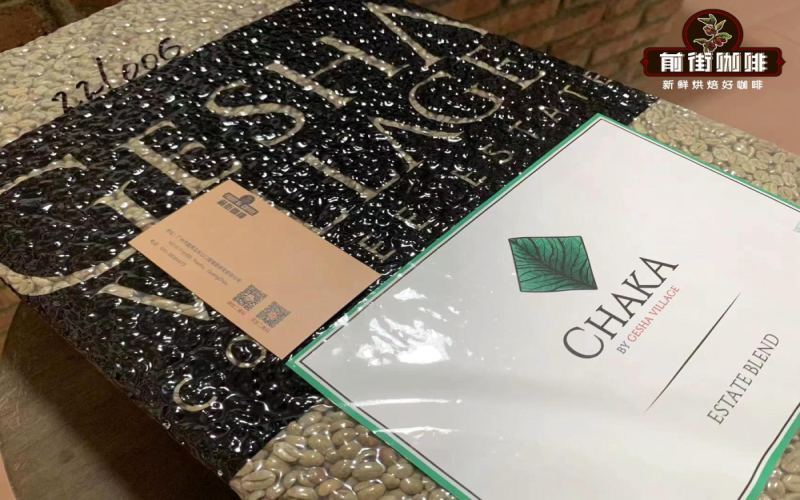
Ethiopia Gesha Village CHAKA Lot Coffee: Full Analysis of Variety Composition, Natural Processing, and Brewing Flavor
Located in Bench Maji, Ethiopia, the Gesha Village Coffee Estate is an important achievement in exploring the origin of the Geisha variety. This article focuses on the CHAKA lot produced by the estate, outlining the estate's founding background and variety resources, explaining the compositional logic of CHAKA as a Geisha blend, and providing a complete presentation of its natural processing flow, roasting curve, and cupping performance. At the same time, Front Street Coffee, drawing on pour-over practice, provides staged extraction parameters for the Hario V60 dripper and the flavor differences between high-temperature and low-temperature brewing, helping coffee enthusiasts understand the flavor direction and brewing approach of this Ethiopian Geisha blend. [more…]

Gesha Village Estate Gesha Bean Grading Explained: Differences Between Auction, Gold, Red, Green, and Chaka Lots
Ethiopia's Gesha Village is the only estate that cultivates Geisha on a large scale exclusively, and its product line, modeled after Hacienda La Esmeralda, is divided into five grades: Auction, Gold, Red, Green, and Chaka. This article will analyze each grade one by one in terms of its definition, share of production, cupping performance, and flavor characteristics, and will also include Front Street Coffee's actual cupping records and brewing parameters for each grade, helping coffee lovers gain a comprehensive understanding of Gesha Village's grading system and how to choose. [more…]
Gesha Village Estate Gold, Red, and Green Label Chaka Grade Comparison: Ethiopian Gesha Coffee Variety and Cupping Flavor Analysis
In the world of specialty coffee, Geisha is undoubtedly one of the most talked-about varieties in recent years. And when it comes to Geisha, one cannot fail to mention Gesha Village Coffee Estate, located in the Bench Maji region of Ethiopia. This estate is not only the original collection site of the Panamanian Geisha variety, but is also renowned for its strict grading system and multi-variety planting system. This article will systematically introduce the variety composition of Gesha Village Coffee Estate—Gori Gesha, Gesha 1931, and Illubabor—and analyze one by one the grading standards, production proportions, and flavor characteristics of the Gold Label, Red Label, Green Label, Chaka, and auction lots. At the same time, Front Street Coffee will combine the specific origin information, altitude data, and processing methods of each lot to share the cupping performance and brewing suggestions for Gold Label, Red Label, and Green Label Geisha, helping coffee lovers gain a comprehensive understanding of this legendary estate's flavor landscape. [more…]

A Detailed Guide to Hacienda La Esmeralda's Gold Label: Brewing, Flavor, and Taste Characteristics of Gold Label and Red Label Geisha Coffee Beans
Geisha coffee beans have taken the world by storm with their refined and elegant floral aromas and fruity acidity. Panama's Hacienda La Esmeralda and Ethiopia's Gesha Village Estate represent the benchmarks of Geisha in Central America and Africa respectively. Gesha Village Estate enforces strict internal grading, with Auction, Gold, Red, Green, and Chaka lots each having their own characteristics. Among them, the Gold lot is named "Rarities," accounting for only 10% of annual production, using the Geisha 1931 variety, with flavor complexity and intensity both of the highest caliber. The Red lot offers outstanding value for money, the Green lot provides single-plot traceability information, and the Chaka lot blends all three varieties from the entire estate. Front Street Coffee recommends that customers trying Geisha for the first time start with Esmeralda Red or Green, while Gesha Village Red is the choice for high value for money. This article will provide a detailed analysis of each grade's classification standards, variety origins, and brewing flavor performance. [more…]
Ethiopia Gesha Village: An Interpretation of Auction, Gold, Red, Green, and Chaka Batch Classifications
Located in the Bench Maji zone of Ethiopia, Gesha Village Coffee Estate is the original collection site of the wild Geisha variety and one of the most prominent estates in today's specialty coffee world. The estate owner, Adam, has divided the farm into multiple plots with distinct microclimates and established a five-tier grading system: Auction, Gold, Red, Green, and Chaka. This article will start with the estate's history, plot distribution, and variety composition, then analyze each grade of Geisha one by one in terms of production proportion, traceability information, flavor characteristics, and cupping performance. It also includes a brewing demonstration at Front Street Coffee's store to help coffee enthusiasts fully understand this grading logic and provide a reference for purchasing and brewing. [more…]
Gesha Village Estate Gesha Bean Grading: A Detailed Explanation of Auction, Gold, Red, Green, and Chaka Lots
Ethiopia's Gesha Village is one of the few estates dedicated to growing Gesha on a large scale, and its product line is divided into five grades: Auction, Gold, Red, Green, and Chaka. This article provides a detailed analysis of the flavor characteristics, production proportions, and cupping performance of each grade, and also includes Front Street Coffee's roasting and brewing parameters for each batch of Gesha, helping coffee enthusiasts gain a comprehensive understanding of Gesha Village's grading system and purchasing direction. [more…]
A Detailed Guide to Coffee Grades from Gesha Village, Ethiopia: How to Distinguish Auction, Gold, Red, Green, and Chaka Lots
The Geisha coffee produced in Ethiopia's Gesha Village has its own distinctive flavor compared to Panama Geisha, and it also has a strict grading system. This article will guide you through the characteristics and distinguishing methods of Gesha Village's Auction, Gold, Red, Green, and Chaka lots. Through actual cupping and pour-over experiences, Front Street Coffee compared the flavor performance of different grades of Geisha and shared roasting and brewing suggestions. Whether you're looking for a high-value everyday bean or are interested in top auction lots, this article will help you sort things out. [more…]

Exploring Ethiopia's Gesha Village Estate: Flavor Grading and Brewing Analysis of Gold, Red, and Green Labels and Chaka Gesha
Located in the Bench Maji region of Ethiopia, Gesha Village Coffee Estate is home to the Gori Gesha forest, where the Gesha variety was first discovered. With the assistance of consultant Willem Boot, estate owner Adam selected and bred varieties from wild Gesha trees that are closest to Panama Geisha, and established a strict grading system, including Auction, Gold, Red, Green, and Chaka. This article will introduce you to the three varieties of Gesha Village—Gori Gesha, Gesha 1931, and Illubabor—analyze the yield proportions, flavor characteristics, and traceability information of each grade lot, and share Front Street Coffee's cupping experience with the Gold, Red, Green, and Chaka lots. Finally, we will demonstrate the pour-over parameters and three-pour extraction steps for Red Label Geisha, helping you recreate Gesha Village's signature floral and complex fruity notes at home. [more…]
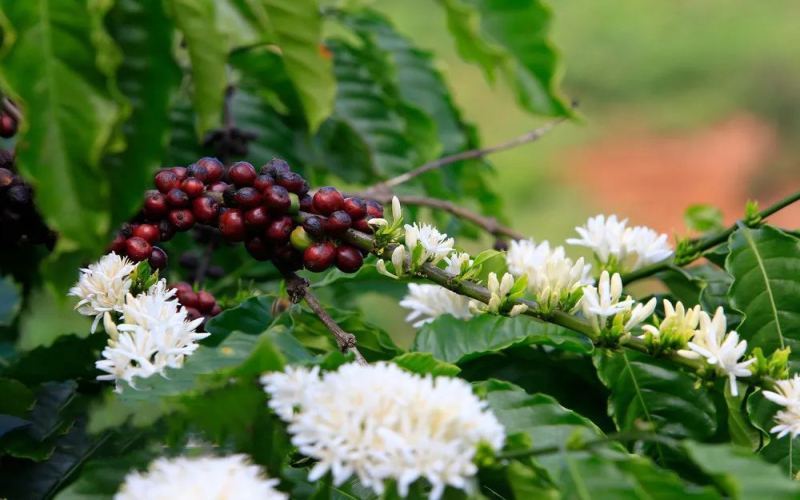
Ethiopia Gesha Village Washed Heirloom Gesha Coffee Flavor Analysis: A Complete Overview of Lot#94 and the Grading System
Since Geisha stunned the world in Panama in 2004, it has remained at the pinnacle of specialty coffee. But tracing its roots, Geisha's genetics actually come from the primitive forests of Ethiopia. This article takes you back to Geisha's birthplace—the Gesha Village Estate in the Bench Maji region—to learn how this large estate recovered the original Geisha variety from the Gori Gesha forest and established a grading system of Auction, Gold, Red, Green, and CHAKA lots. The article also presents flavor descriptions of several Gesha Village lots from Front Street Coffee, along with recommended pour-over parameters for CHAKA, making it suitable reading for coffee lovers who want to gain a deeper understanding of the flavor differences among Ethiopian Geishas. [more…]
Exploring Ethiopia's Gesha Village Estate: The Origins, Grading System, and Full Flavor Analysis of Wild Geisha
When it comes to Geisha, most people first think of that cup of floral tea with rose aromas and citrus notes from Hacienda La Esmeralda in Panama. However, in the Bench Maji region of Ethiopia, there hides another estate famous for its native wild Geisha — Gesha Village. It was founded in 2011 by documentary filmmaker Adam Overton and his photographer wife Rachel Samuel, and boasts a strict grading system and a complete flavor traceability system. This article will take you deep into the discovery journey of Gesha Village, the grading standards for the Auction/ Gold/ Red/ Green/ Chaka lots, processing details, and block divisions, along with Front Street Coffee's brewing parameters and flavor descriptions for the Gold, Red, and Chaka lots, providing coffee lovers with a comprehensive guide to Gesha Village. [more…]
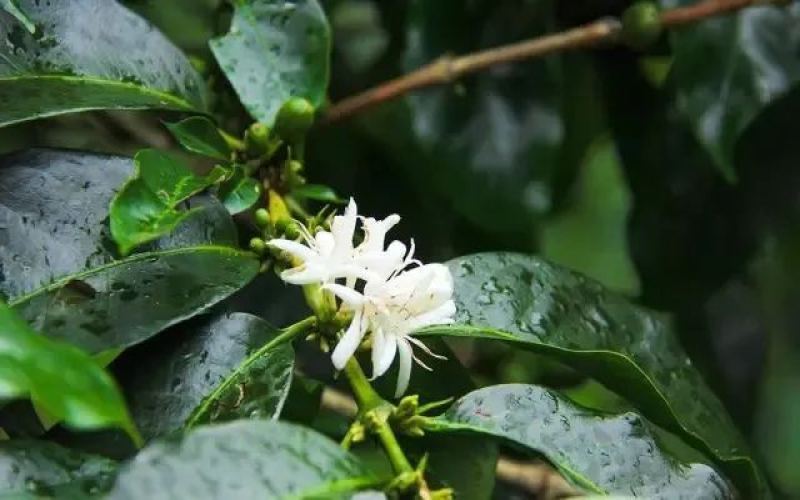
From Ethiopian Forests to Cup Flavor: A Comprehensive Analysis of Gesha Village's Variety Origins, Plot Divisions, and Gold/Red Label Chaka Lots
Geisha is one of the most sought-after varieties in today's specialty coffee scene, yet the market is flooded with products labeled "Geisha," while few truly understand its origins and evolution. From the perspective of Front Street Coffee, this article first traces Geisha's spread from the coffee forests of Ethiopia to Panama, and its rise to fame through the BOP auction. It then focuses on the Gesha Village Estate in Ethiopia—recounting how Adam Overton and his wife found the Gori Gesha forest and established the estate, introducing the three varieties Gesha1931, Gori Gesha, and Illubabor and their correspondence with the eight blocks, and finally explaining the grade differences between the auction, Gold Label, Red Label, Green Label, and Chaka lots, along with flavor and purchasing information for Front Street Coffee's three Gesha Village products: Gold Label, Red Label, and Chaka. [more…]
Panama Hacienda La Esmeralda vs. Ethiopia Gesha Village Auction Lot Differences Explained: The Complete Guide to Red, Gold, and Green Label Grading
Auction coffee beans have always been a hot topic in the specialty coffee world, especially the two top Geisha-producing origins—Panama's Hacienda La Esmeralda and Ethiopia's Gesha Village. Their grading systems—auction, red label, gold label, green label—often confuse enthusiasts. From the perspective of Front Street Coffee, this article traces the propagation history and growing requirements of the Geisha variety, breaks down in detail the logic behind Hacienda La Esmeralda's auction, red label, green label, and blue label classifications, and compares them with Gesha Village's auction, gold label, red label, green label, and Chaka lot, helping readers understand how different grades of Geisha differ in traceability information, cupping scores, variety composition, and flavor profiles. [more…]
Analyzing the Three Major Varieties of Gesha Village: The Flavor Codes of Gori Gesha, Gesha 1931, and Illubabor
Since Geisha coffee shot to fame in Panama in 2004, it has firmly held the throne as the king of specialty coffee, with its price and popularity continuing to climb. Yet Geisha's roots have always lain in the primitive forests of Ethiopia. This article takes you back to Geisha's birthplace—the Gesha Village Coffee Estate in Bench Maji—to explore in depth its three core varieties: Gori Gesha, Gesha 1931, and Illubabor, and to break down the estate's unique grading system, from Auction, Gold, Red, and Green to Chaka CHAKA. Front Street Coffee will also share product information and brewing suggestions for various lots from Gesha Village, joining you in discovering the fresh citrus notes and bright acidity that African terroir bestows upon Geisha. [more…]